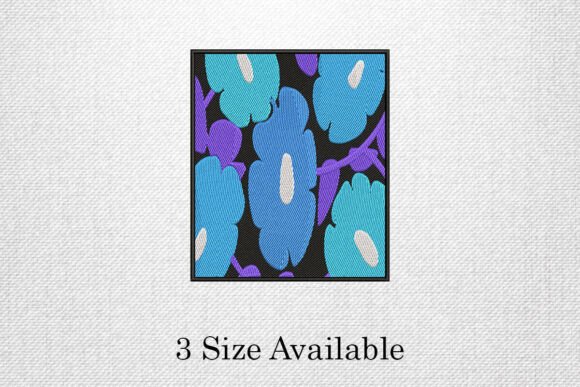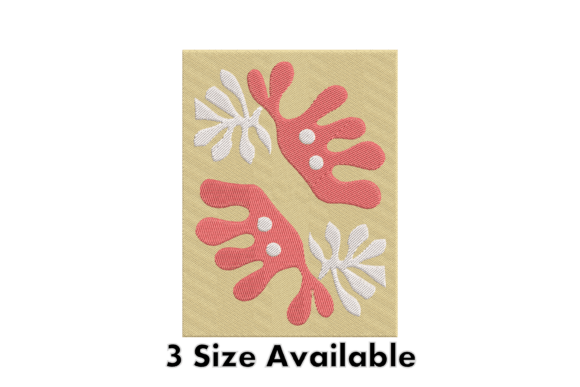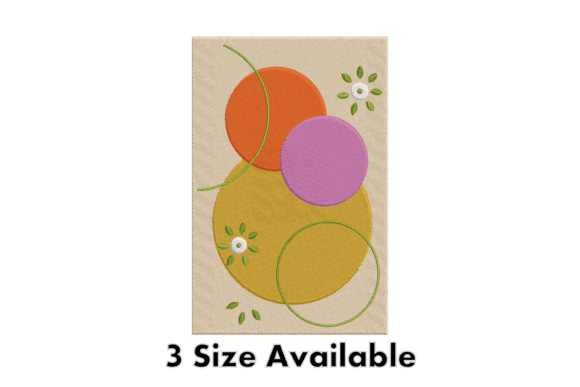
Abstract Color Flow Embroidery Art
A Thoughtful, Modern Touch for Handmade Gifts
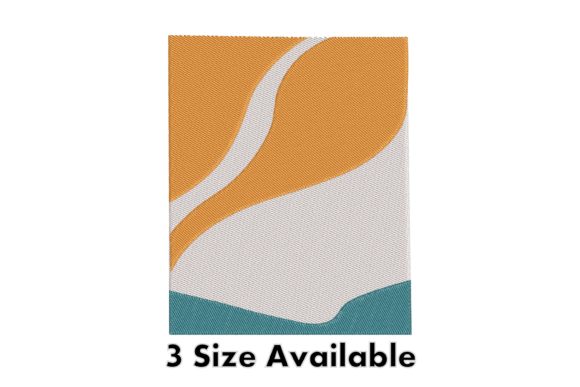
As an embroidery designer who’s stitched thousands of personalized gifts—from baby blankets to wedding towels—I was immediately drawn to the Abstract Color Flow Embroidery Art. It doesn’t shout. It breathes. Soft curves, gentle transitions between tones, and a sense of organic movement make it feel both contemporary and deeply personal. This isn’t a busy pattern or a rigid motif—it’s visual calm in thread form. For Etsy sellers and small shop owners crafting heartfelt handmade products, that emotional resonance matters more than you might think.
Where This Design Truly Shines
The Abstract Color Flow Embroidery Art belongs in spaces where intention meets aesthetics: a nursery wall hanging, a monogrammed towel for a new couple, a custom pillow cover for a cozy reading nook, or even the center motif on a linen tote bag sold at a craft fair. Its abstract nature gives it quiet versatility—no seasonal limits, no age restrictions, no gendered assumptions. It reads as elegant but approachable, modern but warm.
- Baby embroidery: Perfect for onesies, swaddle blankets, or milestone banners—its fluid lines avoid harsh edges and feel soothing next to delicate skin.
- Wedding gift: Embroidered onto ivory linen towels or velvet pillow covers, it adds subtle sophistication without competing with monograms or florals.
- Family keepsakes: Stitch it onto a quilt square or memory blanket—its open composition leaves room for names, dates, or coordinating motifs.
- Nursery decor: Works beautifully on canvas wall art or crib mobiles—soft enough for babies, stylish enough for grown-up rooms.
- Personalized home decor: Think embroidered tea towels, aprons, or throw pillow inserts—each piece feels curated, not mass-produced.
Practical Considerations for Real-World Stitching
Because I’ve seen too many beautiful Creative Fabrica embroidery files falter under real fabric conditions, I always test before committing to client orders—and the Abstract Color Flow Embroidery Art deserves that same care. Here’s what I watched for:
First, stitch density. While not overly dense, its layered color transitions mean thread build-up can occur on textured surfaces like terry cloth towels or thick fleece blankets. I recommend a medium-weight cutaway stabilizer for towels and baby blankets, and a lightweight tear-away for smooth cotton aprons or tote bags.
Second, thread colors. The design invites thoughtful palette choices—cool greys and sage for a minimalist nursery, warm terracotta and ochre for earthy home goods, or soft blush and ivory for wedding gifts. Always compare your chosen threads against the base fabric in natural light. On dark fabric, test contrast first; some subtle tonal shifts may disappear without careful selection.
Third, hoop size and scale. With three sizes included, this machine embroidery design adapts well—but don’t assume the largest fits every project. A 6" hoop may struggle with the widest version on a curved surface like a pillow cover. Measure your hoop and test-stitch on scrap fabric that matches your final product’s weight and drape.
Why Customers Notice the Difference
When buyers hold a finished product featuring the Abstract Color Flow Embroidery Art, they don’t just see stitching—they feel intention. That soft flow translates into perceived quality and handmade charm. It signals that the maker paused, chose something meaningful, and invested time—not just in execution, but in curation.
This matters especially for digital-savvy shoppers on Etsy or at local markets. A clean, emotionally grounded design like this elevates your small shop product beyond “cute” into “cherished.” It enhances giftability—whether wrapped for a baby shower or displayed beside a wedding registry. And because it photographs so well (no harsh shadows, no distracting details), it boosts buyer engagement in listings and social posts.
Smart Workflow Tips Before You Stitch
Before using the Abstract Color Flow Embroidery Art in your next batch of handmade gifts or commercial embroidery projects, here’s my quick checklist:
- Create a test stitch-out—even on similar fabric—to verify how curves translate and whether small interior areas fill cleanly.
- Check all small details after stitching: does the flow remain legible? Are there skipped stitches in tight transitions?
- Compare your selected thread colors side-by-side on the actual fabric—not just on screen.
- Test on the exact fabric type: stretchy baby knit behaves differently than crisp linen; thick blankets require different tension than lightweight cotton.
- Confirm hoop size compatibility—especially if stitching multiple pieces for an order.
- Review stabilizer needs based on fabric texture and end use (e.g., wash durability matters more for baby items than decorative wall art).
- Always check licensing terms on Creative Fabrica before selling finished products—this digital embroidery file is licensed for commercial use, but confirm scope and attribution requirements.
Final Thoughts for Crafters and Sellers
The Abstract Color Flow Embroidery Art isn’t just another embroidery file in your library—it’s a quiet confidence booster for your brand. It helps handmade product makers stand out without shouting. It supports storytelling through texture and tone rather than literal imagery. And for customers receiving a towel, pillow, or blanket adorned with this design, it becomes part of a feeling—not just a thing.
Whether you’re building an Etsy shop around baby embroidery, launching a line of wedding gifts, or creating custom home goods for local clients, this Shapes-category Embroidery design delivers both aesthetic cohesion and practical flexibility. It reminds us that sometimes, the most powerful personalized gift isn’t spelled out in letters—but felt in flow.