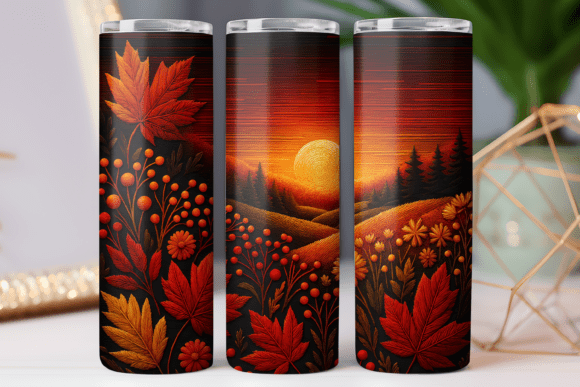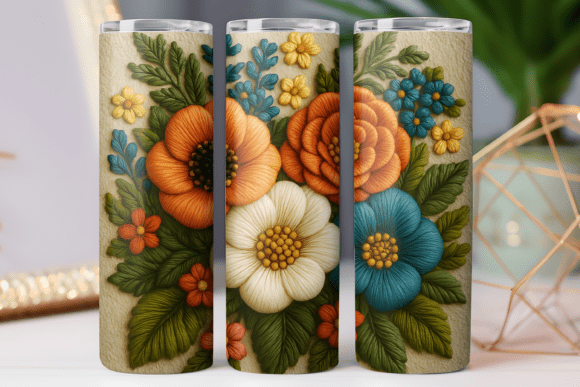
Embroidery Floral Tumbler Photo Art Wrap
First Impression: Soft, Elegant, and Instantly Recognizable
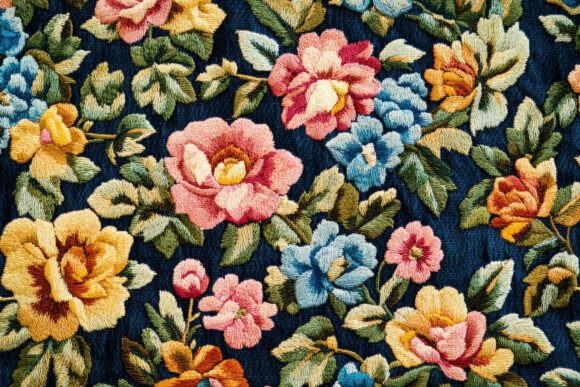
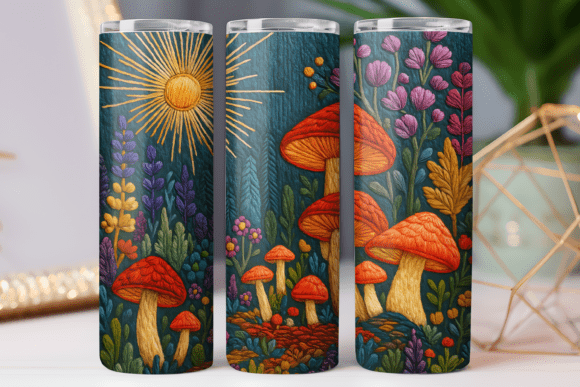
As an embroidery designer who’s prepped over 200 craft fair booths in the past decade, my gut reaction to Embroidery Floral Tumbler Photo Art Wrap is immediate: it reads as soft-elegant—think vintage botanical meets modern café culture. The title alone signals intentionality: “Floral” cues romance and femininity; “Photo Art” suggests depth and dimension; “Tumbler Wrap” grounds it in function. It doesn’t shout—it invites. That’s gold at a craft fair, where shoppers scan tables in under three seconds. This design feels premium without being fussy, delicate without sacrificing visibility.
Where It Shines: Beyond the Tumbler
Yes, it’s labeled for tumbler wraps—but as a digital embroidery designer, I immediately see its versatility across handmade product categories. On a natural linen tote bag? Perfect as a centered chest motif—soft florals read beautifully against textured fabric and don’t compete with hand-stitched seams. On a cotton apron? Ideal above the pocket or along the waistband as a subtle signature. For tea towel embroidery? Use it as a border accent—not full coverage—so the stitching enhances, not overwhelms, the kitchen utility.
It works exceptionally well as an embroidered patch (heat-seal or sew-on), especially when backed with lightweight fusible stabilizer. Small pouches and pillow covers benefit from its balanced scale—no awkward cropping or distorted petals. And for Etsy sellers? This design translates cleanly into printable mockups: place it on a matte ceramic mug, a linen market bag, or even a framed embroidery hoop photo—it reads cohesive, intentional, and shop-ready.
What Makes It Craft Fair-Ready
Embroidery Floral Tumbler Photo Art Wrap earns its spot on my booth table because it’s instantly legible at arm’s length. No tiny script, no micro-details that vanish in sunlight or blur in booth photos. Its floral elements have gentle negative space between stems and blooms—critical for machine embroidery clarity. That spacing means fewer thread breaks, cleaner trims, and consistent results across batch production. As a small shop product, that reliability cuts down on rework and boosts confidence when scaling from 5 to 50 units.
Photography-friendly? Absolutely. The floral composition has natural light-catching curves and layered depth—ideal for flat-lay shots on neutral backdrops. It avoids high-contrast color blocking, so it photographs well on both light and mid-tone fabrics without requiring heavy editing. That’s a win for time-crunched Etsy sellers juggling listings between shows.
Careful-Use Notes Every Embroiderer Should Know
- Dense stitch areas: Florals often pack tight satin stitches in petal centers—test on your target fabric first. Heavy density on thick canvas or textured tea towels may cause puckering without proper cutaway stabilizer.
- Tiny details: While this design avoids micro-elements, inspect the original PNG closely for fine tendrils or thin stems. Those can disappear on curved surfaces like caps or narrow pouch flaps.
- Dark fabric warning: Sublimation-ready doesn’t mean embroidery-ready. If converting to machine embroidery, confirm thread colors contrast clearly against navy, charcoal, or black bases—especially for stems and outlines.
- Curved surfaces: Caps and tumblers demand careful digitizing. This design wasn’t created for curved application—so if adapting it for headwear, simplify outer edges and avoid sharp corners that won’t conform.
Booth Impact & Buyer Engagement
In person, Embroidery Floral Tumbler Photo Art Wrap stands out by feeling *curated*, not generic. At a crowded handmade market, it helps your booth whisper “thoughtful detail” instead of “mass-produced charm.” I’ve watched customers pause at embroidered tea towels featuring this style—not because it’s loud, but because it feels personal, like something they’d frame or gift. That emotional resonance drives sales far more than novelty alone.
It strengthens brand consistency too. Pair it with matching stitch motifs on your business cards or packaging tape, and suddenly your entire booth tells one quiet, confident story. For boutique makers, that cohesion builds trust—and repeat buyers.
Practical Designer Notes Before You Stitch
- Always test on scrap fabric—same weight and weave as your final product. Linen behaves differently than quilting cotton, and terrycloth swallows fine detail.
- Check thread contrast before hooping. A pale yellow stem on cream fabric may vanish under booth lighting.
- Review spacing and stitch density in your embroidery software. Tight clusters need stronger stabilizer; open areas may need topping for clean washability.
- Confirm hoop size compatibility—some floral wraps span wide, and not all home machines handle 5x7" or larger hoops comfortably.
- Use the right stabilizer: cutaway for stretchy knits, tear-away for stable wovens, and water-soluble topping for dense satin areas on textured towels.
- Create at least one real mockup—not just digital. See how it drapes on a tote, how it feels under fingers on a pillow cover, how it holds up after one gentle wash.
- Compare fabric colors in natural light, not just screen glow. Dyes shift—what looks ivory on monitor may read beige or oat in person.
- Verify commercial licensing before selling finished products. This is a digital embroidery file intended for sublimation—but if you’re converting it for machine embroidery and resale, confirm usage rights directly with the designer or platform.
Final Thought: A Quiet Workhorse Design
Embroidery Floral Tumbler Photo Art Wrap isn’t flashy—but that’s its strength. In the world of craft fairs and handmade markets, where attention is fragmented and authenticity is currency, this design delivers quiet sophistication, production reliability, and cross-category flexibility. It supports your storytelling without stealing the spotlight from your craftsmanship. Whether you're an Etsy seller batching embroidered patches, a boutique maker refreshing seasonal pillow covers, or a Cricut crafter layering sublimation + embroidery hybrids—this is the kind of design that sells not once, but repeatedly, across seasons and stalls.