Faux Embroidery Holiday Animal Clipart
A Designer’s First Look: Charm, Clarity, and Quiet Confidence
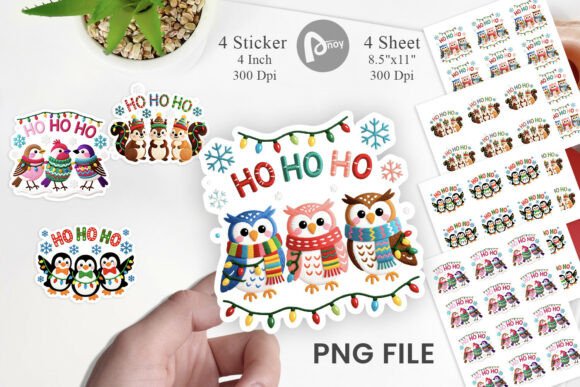
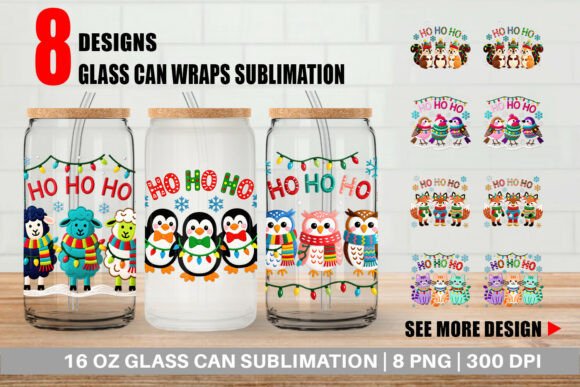
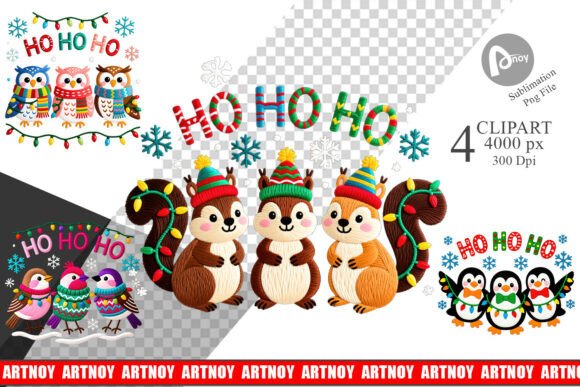
As someone who’s digitized over 2,000 machine embroidery designs for baby blankets, wedding keepsakes, and Etsy bestsellers, I opened Faux Embroidery Holiday Animal Clipart expecting charm—and found something more: quiet intention. These four high-resolution PNG files land with a soft, elegant weight—not overly busy, not too minimal. Each animal (think gentle fawn, curled fox, sleepy owl, and curious hedgehog) carries a hand-drawn warmth that reads as handmade, even though it’s digital. The lines are clean but slightly organic; the shapes generous enough to hold up at 3–4 inches tall on a pillow cover or towel. It feels seasonal without being cliché, romantic without saccharine frills, and classic enough to age well beyond this holiday season. That emotional resonance? That’s what turns a custom embroidery order into a family heirloom.
Where This Collection Truly Shines in Personalized Gifting
Faux Embroidery Holiday Animal Clipart isn’t just decorative—it’s emotionally strategic. Here’s where it delivers real value for makers:
- Baby embroidery: Perfect for nursery wall art, onesie appliqués (with proper stabilizing), or blanket corners—soft enough for newborns, special enough for first Christmas photos.
- Wedding gifts: Stitch one onto a linen napkin set, a monogrammed apron, or a keepsake pillow cover. The elegance reads as thoughtful, not trendy.
- Embroidered towel & kitchen textiles: Crisp edges hold up beautifully on terry cloth when digitized carefully—ideal for boutique hotel welcome sets or bridal shower favors.
- Pillow covers & tote bags: The balanced proportions scale well from 3” to 6”, making them versatile for small shop products and craft fair displays.
- Etsy seller assets: Use the transparent PNGs for printable mockups—show customers exactly how their personalized gift will look before stitching begins. That builds trust faster than any description.
- Nursery decor & family keepsakes: Pair with neutral thread colors (oatmeal, slate, heather) for timeless appeal—or go warm gold for holiday sparkle.
Smart Placement Matters: Where to Use With Care
This collection shines brightest when you honor its design language—and its limits. As a working embroidery designer, I advise caution in these scenarios:
- Small lettering or fine details: These are illustrations, not embroidery files—so if you’re digitizing them yourself, avoid shrinking below 2.5”. Delicate antlers or whiskers may vanish on dense fabric.
- Textured or thick fabrics: Heavy terry, quilted cotton, or bouclé require heavier stabilizer and lower stitch density. Test first—what looks crisp on screen can blur on towel loops.
- Stretchy baby clothes: Not ideal for direct embroidery on knit bodysuits unless paired with cutaway stabilizer and reduced density. Better suited for flat items like burp cloths or swaddle blankets.
- Curved surfaces: Avoid placing near seams or darts on aprons or tote bags—distortion risks increase where fabric pulls.
- Dark fabric: The elegant line work relies on contrast. On charcoal or navy, test thread color pairings early—cream or light grey often reads clearer than stark white.
- Frequently washed items: For embroidered towels or baby blankets, confirm your digitization uses secure underlay and satin-stitched edges to prevent fraying over time.
Why It Elevates Your Handmade Product—and Your Customer’s Experience
Faux Embroidery Holiday Animal Clipart quietly raises perceived value. Because it reads as intentional—not clipart, not generic—it tells your customer: *This wasn’t mass-produced. This was chosen for you.* That nuance builds trust instantly, especially for Etsy sellers and small shop owners competing on authenticity, not price. In product photography, these designs photograph beautifully: clean lines pop against natural linen, wool, or unbleached cotton. They invite touch, story, and sharing—key drivers for buyer engagement. And because they’re rooted in seasonal warmth rather than cartoon flash, they encourage repeat gifting: “I got the fox for baby’s first Christmas—I’ll get the owl for next year.” That emotional connection? That’s where handmade quality meets lasting memory.
Practical Embroidery Notes Before You Stitch
Before turning Faux Embroidery Holiday Animal Clipart into a finished product, run these checks:
- Always test on scrap fabric matching your final product’s weight and stretch.
- Compare thread color contrast on both light and dark fabric mockups—don’t assume screen colors translate.
- Confirm your hoop size accommodates the full design width at your intended scale.
- Review stitch density in your digitizing software—high detail doesn’t mean high density. Over-stitching causes puckering.
- Match stabilizer type to fabric: tear-away for stable wovens, cutaway for knits or towels.
- Zoom in post-stitching—check that delicate curves (like ear tips or tails) cleaned up crisply.
- Verify commercial licensing terms directly with the creator—this is essential for Etsy sellers and small business owners selling finished embroidered goods.
Final Thought: A Thoughtful Tool for Meaningful Making
Faux Embroidery Holiday Animal Clipart isn’t flashy—but then, the most cherished personalized gifts rarely are. It’s the kind of illustration that invites slowing down: choosing the right thread, pressing the hoop just so, imagining who’ll hold that embroidered blanket or wrap that towel around their shoulders on a cold December morning. For embroidery makers, gift shop owners, and digital product sellers alike, it’s a quietly powerful asset—one that supports craftsmanship, deepens customer connection, and reminds us why we make things by hand in the first place.