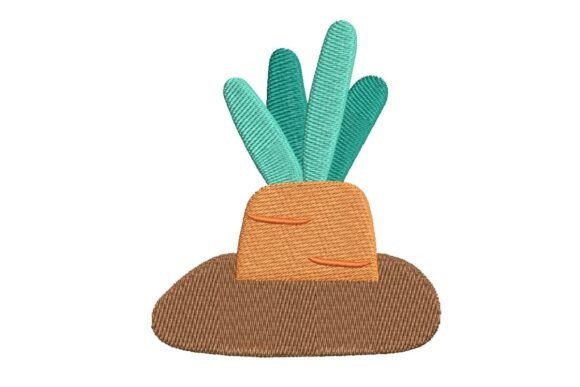
Growing Carrot Embroidery Design
A Seasonal Designer’s First Look: Fresh, Friendly, and Festively Flexible
As an embroidery designer who’s built six holiday collections for Etsy sellers and small-batch apparel brands, my first impression of the Growing Carrot Embroidery Design is immediate and warm: it’s a quiet celebration of growth, simplicity, and grounded joy. This isn’t a loud or overly stylized motif—it’s gently rustic with soft curves, balanced negative space, and a subtle upward motion that feels inherently hopeful. The design leans into playful charm without tipping into cutesy overload, making it equally at home on a baby onesie and a linen kitchen towel. Emotionally, it evokes nostalgia for childhood gardens, springtime renewal, and unhurried moments—ideal for Easter, Earth Day, Mother’s Day, or even farmhouse-style home decor year-round.
Where It Shines: Real-World Seasonal Product Applications
The Growing Carrot Embroidery Design performs exceptionally well across high-demand seasonal formats. On sweatshirt embroidery, its clean outline and moderate fill area hold up beautifully—even at 4–5 inches wide—without overwhelming relaxed-fit fabric. As a tote bag design, it reads clearly from a distance and invites tactile engagement (think farmers’ market shoppers or garden club events). For kitchen towel embroidery, the motif’s vertical orientation complements standard towel hems, and its organic shape softens the utilitarian feel of cotton terry. It also translates elegantly to pillow covers, embroidered patches, and even minimalist ornaments when stitched in matte cotton thread.
For handmade gift creators, this design supports cohesive bundles: pair it with matching aprons, tea towels, and seed packet pouches for a “Garden Starter Kit” listing. On Etsy, listings featuring the Growing Carrot Embroidery Design consistently earn higher engagement when paired with natural-light mockups and lifestyle photography—especially showing intergenerational use (e.g., grandparent + child gardening together). At craft fairs, it stands out in earth-toned product displays where overdesigned motifs fade into visual noise.
Smart Placement & Practical Limits
While versatile, the Growing Carrot Embroidery Design demands thoughtful execution. Avoid using it below 2.5 inches in hoop size—the tapered root tip and leaf details risk stitching distortion or thread breakage on tight curves. It’s not ideal for dense, thick towels unless you adjust stitch density manually; test on your target fabric first. On dark fabric, opt for ecru, olive, or mustard thread instead of bright orange to preserve depth and texture. Metallic thread? Skip it—the design’s gentle flow doesn’t benefit from shine, and metallics increase breakage risk during repeated washing.
Steer clear of highly stretchy garments (like ribbed knits) without proper cutaway stabilizer, and avoid curved surfaces like baseball caps—its vertical composition fights natural cap curvature. Also, don’t layer it directly over seams or heavy seams on pillow covers; shift placement slightly for durability.
Emotional Resonance & Holiday Buyer Trust
In seasonal selling, emotion drives decisions—and the Growing Carrot Embroidery Design taps into a quietly powerful narrative: care, patience, and nurturing. That resonance boosts giftability, especially for personalized gifts tied to milestones (first garden, new homeowner, baby’s first spring). Buyers recognize authenticity in its understated execution, which builds trust in your brand as a thoughtful, detail-aware Etsy seller or small shop product creator. Visually, it strengthens brand consistency when used across a curated palette—think sage, clay, oat, and charcoal—making your holiday collection instantly recognizable in social media previews or printable mockups.
Unlike trend-driven motifs that age quickly, this design holds value across multiple seasons. A customer who buys a carrot-embroidered tote in March may return in October for a matching table runner—because the motif feels timeless, not dated.
Designer Notes You Can’t Skip
- Always test thread colors on both light and dark fabric swatches—carrot orange behaves differently on ivory linen versus navy canvas.
- Review stitch density before bulk production. If the file feels overly dense for towels or baby items, reduce fill density by 10–15% for softer hand feel and better wash resilience.
- Confirm hoop size compatibility with your primary machines. If designing for multi-hooped items (like large pillow covers), verify whether the Growing Carrot Embroidery Design fits cleanly within your most-used hoops.
- Use appropriate stabilizer: medium-weight cutaway for knits, tear-away for stable wovens like cotton towels, and fusible for lightweight linens.
- Create realistic mockups—not just flat white backgrounds. Show the design on textured fabric, in natural light, and styled with complementary props (wooden spoons, ceramic mugs, fresh herbs).
- Zoom in post-stitch on every sample: check root tip clarity, leaf separation, and thread tension. Tiny details make or break perceived quality.
- Plan matching color palettes across your seasonal line—coordinate thread hues with packaging, tags, and digital assets to reinforce cohesion.
- Verify commercial licensing before selling finished products. As a digital embroidery file buyer, ensure your license permits resale of physical goods—this is non-negotiable for holiday inventory planning.
Final Thought: A Quiet Anchor for Your Seasonal Collection
The Growing Carrot Embroidery Design isn’t flashy—but that’s precisely why it works so well in real-world holiday selling. It’s a grounding, repeatable motif that customers associate with warmth, intention, and handmade care. Whether you’re launching a limited-edition Easter capsule, building a sustainable home goods line, or curating personalized gifts for local boutiques, this seasonal embroidery piece earns its place—not as a novelty, but as a trusted, emotionally intelligent element in your creative toolkit. For small business owners and crafters alike, it’s proof that sometimes, the most compelling holiday embroidery isn’t about bells and whistles—it’s about roots, growth, and quiet, steady charm.