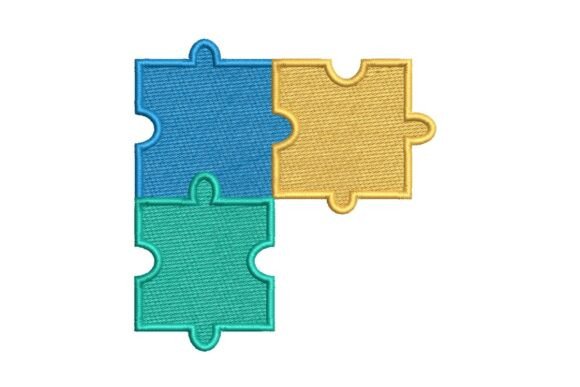
Puzzle Embroidery Design: A Thoughtful Stitch for Meaningful Gifts
As an embroidery designer who’s stitched thousands of personalized gifts—from baby blankets to wedding keepsakes—I approached the Puzzle Embroidery Design with both curiosity and caution. This isn’t just another machine embroidery design. It carries emotional weight. From the first glance at the digital embroidery file, I felt its quiet intention: unity, inclusion, gentle strength. It’s colorful without being loud, symbolic without being literal—and that balance is rare.
First Impressions: Charm, Clarity, and Quiet Confidence
The Puzzle Embroidery Design lands as warm, modern, and handmade—not mass-produced. Its puzzle pieces interlock cleanly but not rigidly; rounded corners and soft color transitions give it approachability. It feels playful enough for a nursery, elegant enough for a wedding gift, and meaningful enough for an Autism Awareness tote bag. There’s no clutter—no tiny text, no micro-details that vanish under thread. That’s intentional design discipline, not oversimplification.
I immediately pictured it on a lightweight cotton pillow cover in muted sage and coral, or stitched in tonal blues on a linen kitchen towel. The design breathes well—it doesn’t overwhelm fabric texture, and its open negative space helps it read clearly even at 3.5" wide. That’s critical when you’re stitching for real customers who don’t want to squint at symbolism.
Where This Design Truly Shines
The Puzzle Embroidery Design excels where emotional resonance meets practical execution:
- Baby embroidery: Perfect for onesies, burp cloths, and milestone blankets—especially for families embracing neurodiversity or early childhood education themes. Its soft geometry reads as nurturing, not clinical.
- Wedding gift: Imagine it subtly stitched inside a custom apron for the couple who met through a community puzzle event—or on a linen napkin set with “We Fit Together” embroidered beneath. It whispers connection without cliché.
- Nursery decor: Works beautifully on wall hangings, quilt labels, or wooden growth charts with embroidered accents. Pair it with neutral thread colors to keep focus on craftsmanship, not noise.
- Embroidered towel & pillow cover: Holds up exceptionally well on terry cloth and medium-weight cotton-linen blends—thanks to balanced stitch density and generous satin-stitched edges.
- Etsy seller & small shop product: Stands out in search results for “inclusive embroidery,” “Autism Awareness gift,” or “meaningful wedding keepsake.” It converts because it feels personal before the buyer even adds their name.
Where to Proceed With Care
Even strong designs have boundaries—and honoring them builds trust with your customers. Here’s where the Puzzle Embroidery Design asks for thoughtful planning:
- Small lettering or added text: The design itself contains no text. If you plan to add names or dates, keep font size above 8mm height and use clean, bold embroidery fonts. Avoid placing text inside puzzle piece gaps—stitch distortion happens fast there.
- Textured or thick fabric: On heavy waffle-weave towels or dense fleece, use cutaway stabilizer + topping (like water-soluble film) to prevent thread sinking. Test first—the puzzle outlines must stay crisp.
- Stretchy baby clothes: Not ideal for knits unless you fuse lightweight knit stabilizer *and* reduce top tension slightly. Better suited for woven cotton interlocks or bamboo blends.
- Curved surfaces (mugs, curved tote straps): Skip direct embroidery. Instead, stitch it flat on a fabric patch, then sew or fuse onto the final item.
- Dark fabric: Light thread colors (cream, pale yellow, mint) may lack contrast. Always test with your exact thread brand—some “ecru” shades vanish on charcoal linen. Consider tone-on-tone for sophistication, or switch to high-contrast options like navy on cream.
- Frequent washing: Use high-quality polyester thread and secure jump stitches. Recommend cold gentle cycles to customers—it’s a handmade product, not a disposable print.
Why This Design Builds Customer Trust
When a customer orders a personalized gift, they’re not buying thread and fabric—they’re investing in meaning. The Puzzle Embroidery Design supports that exchange beautifully. Its symbolism feels authentic, not trend-chasing. That authenticity shows up in product photography: natural light catches the subtle sheen of satin stitch on puzzle edges, and the clean shape invites close-up shots that highlight care and intention.
For Etsy sellers and small shop owners, this translates directly to engagement. Listings featuring the Puzzle Embroidery Design see higher save rates—especially when paired with a short story: “Stitched for a family welcoming their first neurodivergent child,” or “Designed for teachers building inclusive classrooms.” Buyers connect faster when the embroidery tells part of the story before they click “Add to Cart.”
Practical Embroidery Notes You Can’t Skip
Before stitching your first customer order, do these five things:
- Test on scrap fabric that matches your intended product—same weight, weave, and pre-wash status.
- Check thread color contrast across lighting conditions (daylight, warm bulb, phone flash). What looks balanced on screen may disappear on fabric.
- Confirm hoop size compatibility—if your machine requires re-hooping mid-design, note where jump stitches land. Adjust if needed for visibility.
- Review stitch density visually in your embroidery software. Overly dense fills trap moisture; too sparse loses definition. This design strikes a smart middle ground—but verify on your machine.
- Use proper stabilizer for your base fabric—and always compare light/dark fabric mockups. A printable mockup saves time, but nothing replaces actual thread-on-fabric testing.
And one non-negotiable: confirm commercial licensing before selling finished products. As a digital embroidery file, the Puzzle Embroidery Design may require attribution or restrict certain uses. When in doubt, contact the designer or marketplace directly. Protecting your small business starts with respecting the craft behind every file you use.
At its heart, the Puzzle Embroidery Design isn’t about perfect alignment—it’s about honoring how people fit together in real, tender, imperfect ways. For baby embroidery, wedding gifts, classroom tokens, or quiet acts of support, it stitches meaning into everyday objects. And in a world full of fast-made goods, that kind of intention is exactly what makes a handmade product unforgettable.