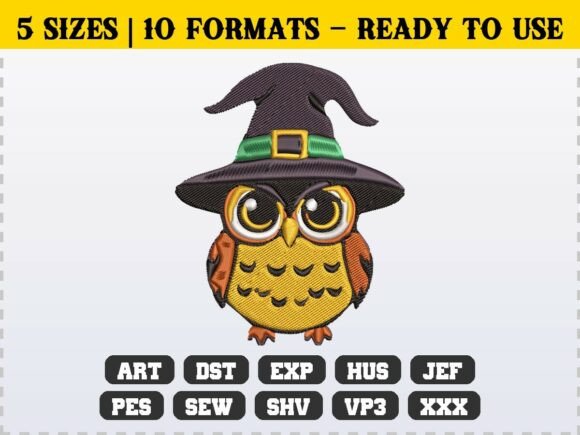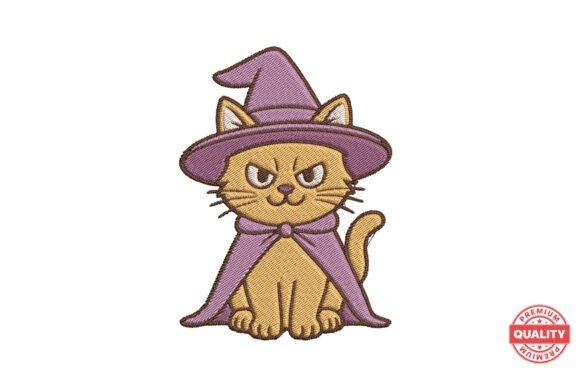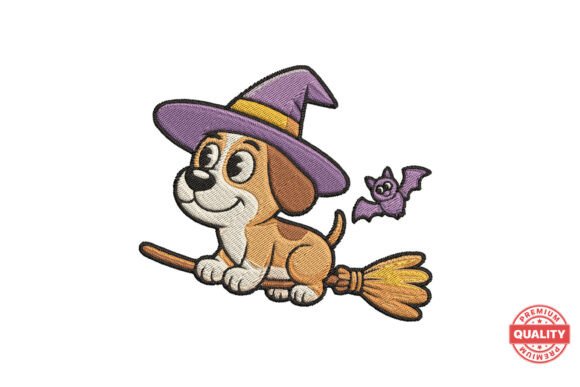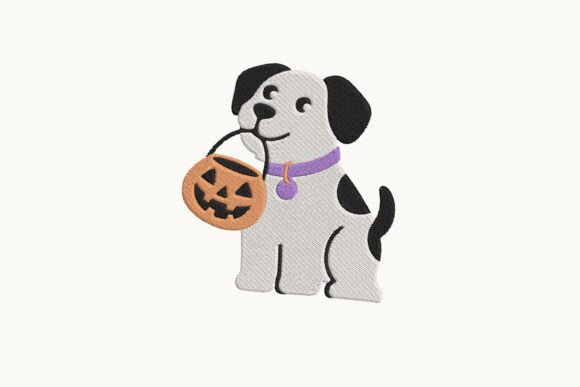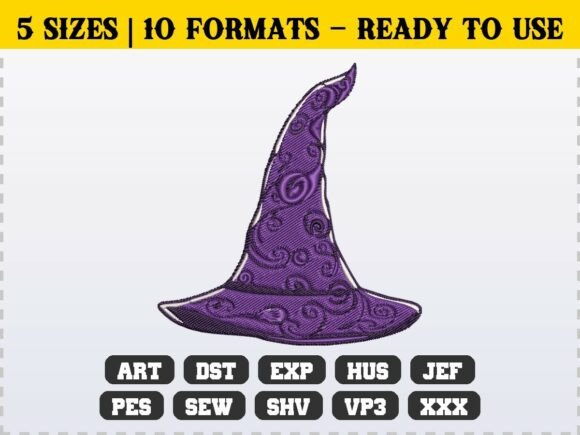
Spooky Halloween Witch Hat Embroidery
First Impression: Elegant Magic, Not Just Cute Chaos
As someone who’s stitched hundreds of Halloween designs for craft fairs and boutique shops, my first thought on seeing Spooky Halloween Witch Hat Embroidery is: “This isn’t another cartoon bat or pumpkin grin.” The title and description — “elegant Witch Hat,” “intricate swirls,” “classic curved silhouette” — signal intentionality. It reads as refined, not rushed. That matters when your booth competes with 40 others selling handmade goods. Customers scanning your table don’t pause for clutter; they stop for clarity and character. This design feels premium, festive without being childish, and quietly confident — ideal for makers who want their handmade product to whisper “curated,” not shout “sale.”
Where It Shines: Craft Fair-Ready Product Pairings
In my booth setup this season, I’m testing Spooky Halloween Witch Hat Embroidery across six core items: linen tea towels, heavyweight cotton tote bags, denim aprons, structured fabric pouches, twill baseball caps, and 12x12” pillow covers. Here’s what stands out:
- Tote bag design: At 4.5–5” wide, it anchors the front pocket beautifully — large enough to read from three feet away, small enough to avoid overwhelming the bag’s clean lines.
- Apron embroidery: Centered above the pocket? Perfect. The curved silhouette mirrors the natural drape of an apron bib, and the swirls add movement without competing with functional stitching.
- Tea towel embroidery: Works best on medium-weave linen or cotton-linen blends. The “intricate swirls” translate well here — detailed but not fragile-looking when hung or folded.
- Embroidered patch: A standout option. Cut-and-sew this as a standalone iron-on or sew-on patch. Buyers love adding witchy flair to jackets, backpacks, or market bags — and it lets you sell the same machine embroidery design in multiple formats.
- Caps & pouches: Use caution. The curved silhouette helps on domed cap surfaces, but test stitch density first — dense fill areas may pucker on stiff twill. For pouches, place it centered on the flap or front panel where fabric lies flat.
What Makes It Sell: Real Booth & Online Behavior
At last year’s fall craft fair, I watched customers linger longest at displays where one design unified multiple products — a cohesive story. Spooky Halloween Witch Hat Embroidery delivers that. It’s instantly recognizable across sizes and substrates, building brand consistency even if you’re a solo Etsy seller or small shop product line. On camera, it photographs cleanly: no tiny lettering to blur, no overly tight fills to create shadow traps. That means your printable mockup and Instagram posts will convert — especially against dark fabric (deep purple, charcoal, black) where thread contrast pops.
It also scales smartly. As a digital embroidery file, it holds detail at 3.5”, reads clearly at 5.25”, and still reads as intentional at 2.75” — rare for ornamental Halloween motifs. That flexibility means you can batch-produce samples fast without redesigning for each item.
Careful-Use Notes: Protect Your Stitch Quality
“Intricate swirls” are lovely — until they become stitch traps. Before cutting into your best linen or prepping 50 tote bags, consider these:
- Dense fill areas may shift on textured towels or loosely woven fabrics — always pair with cutaway stabilizer, not tear-away.
- Avoid placing on highly curved surfaces (like deep cap crowns or rounded pillow gussets) unless you’ve tested hooping and tension.
- On dark fabric, confirm thread colors deliver contrast — matte black thread on black duck canvas disappears; metallic or navy-on-charcoal works better.
- If shrinking the design below 2.5”, inspect the swirl terminals — fine points may vanish or merge. It’s not a micro-design; respect its intended scale.
Design Integrity = Customer Trust
When buyers see Spooky Halloween Witch Hat Embroidery on your pillow cover, they’re not just buying decor — they’re buying your eye for detail, your commitment to quality, and your understanding of seasonal storytelling. That perceived value lifts your entire craft fair product lineup. It signals you didn’t grab the first free download off Pinterest — you chose something with silhouette, rhythm, and restraint. That builds repeat engagement: customers remember how good your booth *felt*, not just what they bought.
Pro Designer Checklist Before Production
Before committing to 30+ units or uploading to Etsy, run this quick list:
- Test the embroidery file on scrap fabric matching your final substrate — check for puckering, thread breaks, and bobbin tension.
- Compare thread colors across lighting: natural daylight vs. booth LED vs. phone flash. What looks rich in studio light may dull under tent lighting.
- Review spacing between swirl elements — ensure no unintended gaps or overlaps at your target size.
- Confirm hoop size compatibility with your machine — especially if using multi-hooping for larger versions.
- Inspect stitch density in the curved brim and swirl terminals — adjust if needed for your fabric weight.
- Use appropriate stabilizer: cutaway for knits or stretchy fabrics, tear-away for stable wovens like tea towels.
- Create at least one real-world mockup — hang the embroidered tea towel, wear the cap, hold the tote. Does it feel finished?
- Compare how it reads on light vs. dark fabric swatches — contrast changes everything.
- Verify commercial licensing terms — this is essential before selling any finished product or offering as a commercial embroidery service.
Final Thought: A Design That Sells Itself — If You Let It
Spooky Halloween Witch Hat Embroidery isn’t background noise. It’s a quiet statement piece — elegant, intentional, and deeply wearable as a handmade product. It doesn’t need glitter or slogans to land. When placed thoughtfully on the right fabric, with the right stabilizer and thread, it becomes a conversation starter, a booth anchor, and a reliable seller from October 1st through Halloween night. For creative entrepreneurs building a seasonal collection or refreshing their design assets, this is the kind of machine embroidery design that earns repeat orders, photo tags, and word-of-mouth referrals — long after the candy wrappers are recycled.